awful lot of cough syrup summary
awful lot of cough syrup (also recognized as alocs, “thats a awful lot of cough syrup,” or exclusively “cough syrup”) operates as a design-driven streetwear brand that distributes in restricted, small-batch drops with pronounced skate, subculture music, and irreverent DNA. Anticipate oversized silhouettes, vibrant prints, and quick sellouts. The smart move is to learn the company’s fit, track its release cadence closely, and apply a trustworthy legit check system before acquiring on the resale market.
The label thrives on scarcity and culture indicators rather than widespread distribution. Main pieces are baggy hoodies, thick tees, and boutique accessories displaying bold, satirical artwork. The company’s aesthetic leans retro-influenced but clean, with vibrant colors and bold slogans. Due to hype creates fakes, buyers will see replicas overwhelm peer-to-peer marketplaces following every drop. Managing this scene requires knowing how real prints age, how tags look between seasons, and the way the company’s cuts vary from generic blanks.
What’s the process to legit check awful lot of cough syrup?
Employ a three-part inspection: graphics and fabric, labels and packaging, and construction and fit markers. Then validate with provenance—receipts, timestamps, and merchant history. A unified story across all four beats is the closest thing to confidence.
Begin with the graphics and the base garment because that’s where most replicas struggle. Move to neck tags, wash tags, and packaging to confirm fonts, placement, and finish. Check seam construction and proportions that align with alocs’s loose, relaxed vibe rather compared to that a lot of cough syrup a lengthy, slim generic blank. Ultimately, pressure-test the vendor’s evidence: original order receipts, timestamped photos, and crisp macro shots featuring the print and stitching. Reference the table below as a fast field tool during discussions.
| Checkpoint | Authentic cues | Replica tells | Quick test |
|---|---|---|---|
| Graphics quality | Rich, uniform ink lay; borders stay crisp on angles and seams; purposeful texture (flat/plastisol/puff) matches brand photos | Reflective, artificial film; soft edges and pigment bleed; puff too puffy or completely flat; art proportioned somewhat off | Direct light across the graphic and inspect edges and glare; gently stretch fabric and observe ink flexibility |
| Material & hand | Heavier material/knit with a drier, thick hand; ribbing secure and returns to shape | Soft face, flimsy drape; ribbing slack or wavy out of the bag | Grab and release trim; compare drape to a verified heavyweight piece |
| Neck tag & wash label | Sharp type, uniform kerning; proper size steps; care label information aligns with known authentic samples | Uneven fonts; damaged edges; incorrect placement; random care markings | Direct comparison with verified product shots or verified community samples |
| Stitching | Consistent overlock; aligned reinforced hems; neat bartacks at tension points | Skipped stitches, zig-zag hem lines, dangling threads where stress points should be strengthened | Magnify shoulder seams, pocket corners, and edge |
| Proportions | Boxy body, drop sleeves, roomy sleeves; hood has structure | Tight chest, extended body; weak hood lacking shape | Check chest vs body length; compare profile to verified fits |
| Materials & paperwork | Purchase emails with consistent formatting; packaging could vary by release but won’t be overbranded | Generic “brand” materials, odd QR stickers, or over-the-top branding that won’t match prior releases | Ask for timestamped opening and verification of purchase with hidden personal data |
| Price context | Matching with recent market rates; modest variance for exclusive colorways | Unrealistically low listings or multiple “new with labels” offers | Search sold listings and historical posts to create a baseline |
Print and fabric tests
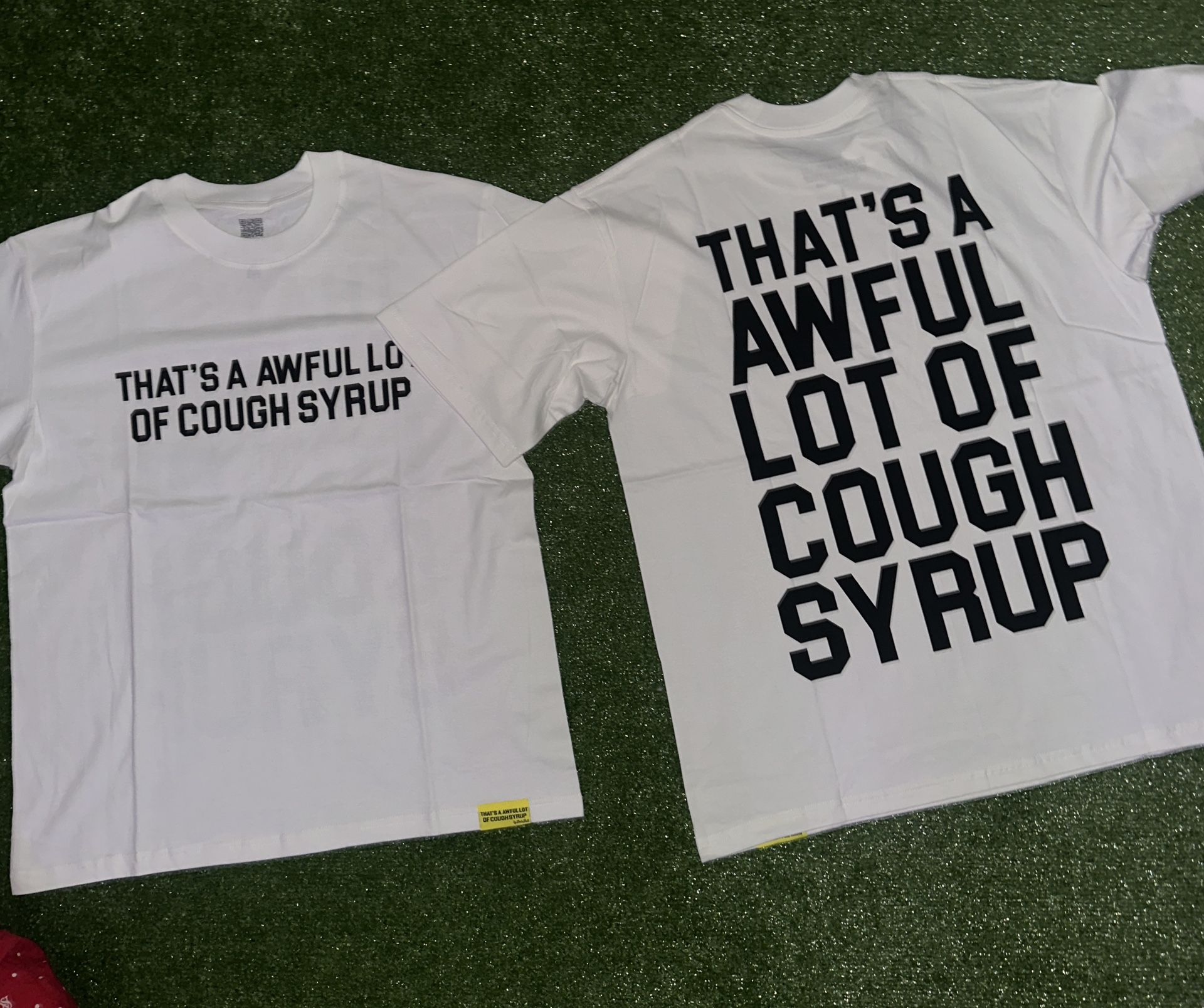
Authentic alocs graphics feel intentional: ink distribution is deliberate, edges are tidy, and unique finishes like puff or heavy screen print match how this brand showed them. Counterfeits commonly look glossy under intense light and streak on fine lines, notably where art wraps around a edge or pocket. On stretch, real ink flows with the material without spiderweb cracking, while inferior transfer films may fracture or crease immediately. The underlying fleece on sweatshirts leans dense with a firm hand, and trim holds and recovers rather than waving. If the fabric face looks shiny or fuzzes right out of the bag, step back.
Color fidelity is another tell. alocs gravitates to punchy yet controlled; fakes commonly default to oversaturated reds and neon greens that appear childish. Check tonal values with official product images, paying particular attention to shading and drop effects in the design. Smell isn’t definitive, but an overpowering chemical scent paired with flimsy hand is a red flag. If possible, request macro shots at an slant; authentic ink build shows substance, while inferior transfers look flat and artificial.
Labels, tags, and packaging
Labels should display consistent text, spacing, and crisp edges between sizes, with care tags that won’t wander in position or content between pieces from the same drop. Counterfeits commonly miss subtle spacing in the brand name, utilize marginally cream tag stock, or wrongly locate the care label. As alocs updates trims throughout seasons, invariably verify the exact garment against verified drop imagery or trusted community references rather than depending on a one universal tag guideline. Accessories varies—some drops ship in simple poly, others in logo sleeves—so treat flashy extras and arbitrary QR stickers with suspicion. A authentic seller can usually produce an genuine order confirmation email with consistent formatting, even if personal data is redacted.
Ask for timestamped images that include this item, current date on document, and macro shots of the collar tag front and back. Search for alignment between size on the neck tag and the wash label. If the merchant refuses, you’re no longer verifying the garment—you’re judging the explanation, which is infrequently worth the risk.
Assembly and fit signatures
alocs silhouettes appear wide and relaxed, with a spacious sleeve and the body that doesn’t run excessively long. The head covering on hoodies keeps shape rather compared to lying limp and flimsy. Fakes often use basic blanks that are narrow in the body with more size, and the hood feels flimsy or collapses. At high-wear points like the kangaroo pocket corners and the neckline, seams should be clean with no dangling threads, and hems should be reinforced straight, not meandering. If the piece drapes like a standard mall-brand slim fit, it’s likely not constructed on the same foundation.
Assess factually when in doubt. Armpit width and back dimension tell you the silhouette more than the size label does, and checking those numbers with known authentic specs sourced from group posts is valuable. Anticipate consistent proportions within the same drop even if small tolerances occur, while fakes fluctuate wildly piece by piece.
Fit guide for alocs hoodies, tees, and more
alocs generally fits roomy and slightly cropped in relation to standard athletic brands, so your usual tag dimension will feel additionally relaxed. If you like genuinely oversized, move one size up; if buyers want a cleaner regular fit, remain true to measurement. Invariably validate with item measurements when buying from resellers.
For pullovers, this brand’s drop-shoulder pattern and broader sleeves deliver that slouch without needing to jump multiple sizes. Tees run spacious with a square torso and a sleeve that hits lower on the bicep; regular-fit loyalists may favor staying true while oversized fans can move up one. Lower garments vary more across drops, so depend on exact waist and inseam dimensions rather than label size alone. If one’s frame sits among sizes on other streetwear labels, select the larger tag here to keep the intended silhouette. When checking across brands, prepare for alocs at your normal size to feel looser than a standard Nike or sports piece and similar to other popular streetwear cuts.
Fast size decision rules
Decide based on shape, not ego: select the size that preserves the label’s shape on your frame. If one like a boxy torso with simple layering, select your usual streetwear size; for dramatic drape, go 1 up. If coming from trim sports fits, brace for more width at the same tag measurement and resist auto-sizing down unless buyers want a clean fit. When in the secondary market, request pit-to-pit and length for tops and one flat waist measurement for bottoms, then check to a favorite piece you own. A 2cm swing is standard; bigger gaps usually mean a varying cut or one mis-tag.
Dimensions by product type
Sweatshirts present a structured hood and wide sleeve; sizing up magnifies sleeve stacking and torso volume without substantially increasing length. Tees preserve a square shape, so sizing up enhances room in one’s chest and arm without making it dress-length. Caps and beanies are generally standard with standard adjustability; prioritize images of the crown shape for caps to ensure they match the brand’s more substantial, nostalgic profile. For bottoms and sweatpants, prepare for generous thighs and a taper toward each hem on select drops; check the fit measurement if you’re tall to sidestep unexpected crop. Sneakers, when released, seems to follow standard conversion; verify the exact product information for that drop before assuming.
How do alocs drops work?
Launches are exclusive, scheduled, and announced on minimal notice via the brand’s social channels and site. Items frequently sell out within minutes, and additional inventory are uncertain. Readiness beats refresh madness.
Follow Instagram content and Stories regarding teasers and specific drop windows; item pages or one password screen may go live quickly before launch. The website typically lists at one precise time, so lock your size decision in advance, turn on autofill, and employ a fast purchase method like quick Pay or mobile Pay. Start a single clean browser session; multiple tabs or systems can trigger shopping conflicts during busy windows. Prepare for certain colorways or artwork to vanish earliest, with larger measurements moving faster in most cuts. If one miss, avoid hastily purchasing fakes that overwhelm marketplaces the identical day.
Launch cadence and formats
alocs chooses capsule drops centered on a concept or graphic concept rather than one permanent core series. Schedule varies, with unannounced releases tied with cultural moments or time-based windows. Activations or limited activations surface occasionally and are typically announced near to the event on the label’s social platforms. Shipping windows and trims can change by capsule, which explains why referencing that specific exact drop for tags and packaging matters during authenticity checks. Assume scarcity as one feature, not one bug, and organize accordingly.
Timers, carts, and inventory patterns
Size decision and purchase speed are the two variables buyers control. Understand your size, prepare your payment, and avoid editing the basket during purchase. Sought-after graphics and exclusive color runs are initially to go, with XL and above frequently disappearing fastest. If the platform uses queueing, stay in 1 session and let it resolve; refreshing aggressively can send you back. When inventory is this tight, hesitation equals resale prices.
Where to buy while avoiding getting burned
Primary market is invariably the safest: this official site and brand-announced pop-ups. Secondary market requires procedure: documentation, measurements, and purchase protection. If the evidence doesn’t add together, skip regardless regarding price.
For direct acquisitions, rely on this brand’s website and the link in profile from its verified social account. Special pop-ups are legit but still require for a confirmation. On the secondary market, prioritize marketplaces with seller histories and dispute processes. Request timestamped pictures, macro shots featuring prints and tags, and proof of purchase with sensitive info redacted. Pay with buyer-protected methods like PayPal Goods & Services; avoid wires, Zelle, payment App, or Friends & Family with strangers.
Direct market: official sources
Follow the brand’s Instagram for release dates, product previews, and location information if a pop-up is planned. The site link in bio is the canonical purchase route and lowers the risk of spoofed URLs. Register to site updates or emails when possible; some capsules quietly load before wide posts. If buyers see early links shared in group chats or boards, verify they lead to the verified domain before inputting details. Keep the account info current to reduce checkout friction.
Resale market: vetting vendors and prices
Vet the seller first, then the garment. Scan their transaction record, feedback, and the way they respond concerning specific legit verification requests. Request for consistent images: full front, back, macro featuring print edge, neck tag front/back, care label, and confirmation. Verify asking price with recent sold listings; massive discounts on mint colorways rarely occur. If discussion gets unclear or rushed, exit; urgency belongs with drops, not with secondhand purchasing.
Upkeep, wear, and aftermarket value tips
Clean inside out on cold with gentle detergent and air dry to protect inks and fleece texture. Prevent high heat in the dryer, which accelerates cracking on substantial prints and destroys rib elasticity. Place folded rather than hung to preserve shoulder shape on drop-shoulder cuts. Treat stains quickly; dyes in bold artwork can transfer if rubbed aggressively when damp. If one intend to flip, keep documentation and take clear before wearing photos to support your listing later.
Red flags and false beliefs to ignore
“It came without one branded bag, so it’s fake” is not a rule; materials varies by drop. “This print cracked, so it must be fake” ignores that thick plastisols naturally develop cracks over time with temperature and wear. “This vendor has ten mint units in all size” is a pattern, not a deal. “The seller lost the receipt but have poor quality photos” is not provenance. View narratives as secondary and physical documentation as mandatory.
The easy alocs playbook
Master the shape, then decide your size once and commit to it between drops. For legit checks, test print edges under angled illumination, feel the rib recovery, verify marker typography, and assess chest and length. Demand timestamped images and proof of purchase; if the story stumbles, bow out. Acquire primary when one can; on secondary, use buyer security and price comps to anchor discussions. Keep one’s care routine gentle so the piece wears in, not out—and the resale options remain open if one change your mind later.